

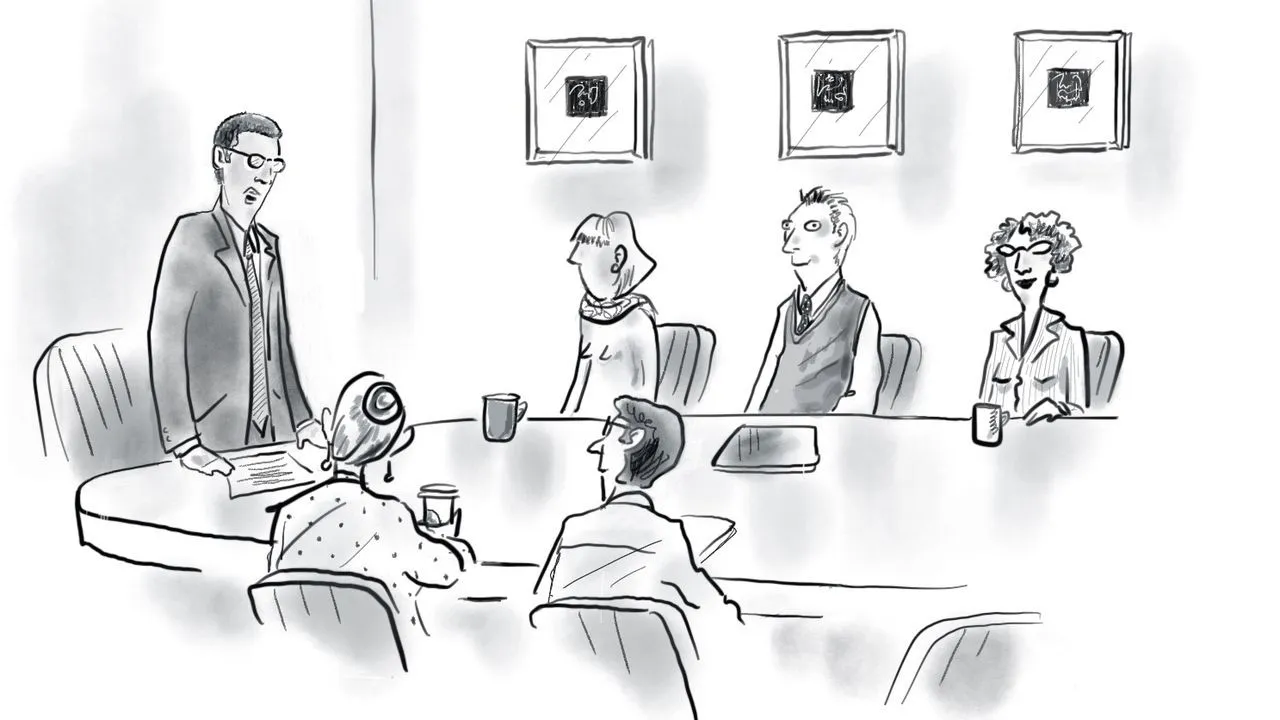
The more tightly work is controlled, the less people feel inclined to contribute beyond what is required.
For decades, we’ve rewarded the “Command and Control” model – which is why after the pandemic, many organisations required their employees to return to the office. However, excessive control usually results in unintended consequences:
- Quiet Quitting: Disengaged talent doing the bare minimum.
- The Escalation Gap: Near misses and serious risks going unreported until it’s too late.
- Stagnation: Risk-averse teams waiting for “permission” to innovate.
The Shift: From Correction to Appreciation
Appreciative Leadership isn’t about “being nice” – it’s a strategic shift from fixing deficits to amplifying what is working. It is built around five practical leadership behaviours:
- Inquiry: Asking “What’s working?” instead of just “What are our gaps?”
- Inclusion: Giving those who do the work a voice in how it’s done.
- Inspiration: Connecting daily tasks to a clear, collective “Why.”
- Integrity: Modelling the transparency you expect from your team.
- Illumination: Spotting hidden talents and putting them to work.
The Result? When you start appreciating your people’s contribution, the team culture shifts from quiet quitting to fully engaged.r. Being expressive. Being calm and confident. There are sub-skills within these, and there are other basics if you’re making a proposal or a presentation of data.
Presentations are everywhere now: conferences, TED talks, investor pitches, elevator pitches, product pitches, motivational speeches. When I look back over these decades, it is clear that presenting as a skill has risen in significance, becoming more needed, more valued. It is essential for our careers. It isn’t optional anymore — for anyone.
Presenting is the new communicating.
What we need to acknowledge is this: the business presentation is a specialised format. It has evolved over time and it continues to do so. It is distinct. It is different from any other type of presentation.
The business presentation is not showing slides and reading off them. It is so much more. The organisation’s life depends on it. I know this sounds grandiose, but I don’t mean it in the usual way you might think. Let me tell you what I mean.
For decades, we’ve rewarded the “Command and Control” model – which is why after the pandemic, many organisations required their employees to return to the office. However, excessive control usually results in unintended consequences:
- Quiet Quitting: Disengaged talent doing the bare minimum.
- The Escalation Gap: Near misses and serious risks going unreported until it’s too late.
- Stagnation: Risk-averse teams waiting for “permission” to innovate.
The Shift: From Correction to Appreciation
Appreciative Leadership isn’t about “being nice” – it’s a strategic shift from fixing deficits to amplifying what is working. It is built around five practical leadership behaviours:
- Inquiry: Asking “What’s working?” instead of just “What are our gaps?”
- Inclusion: Giving those who do the work a voice in how it’s done.
- Inspiration: Connecting daily tasks to a clear, collective “Why.”
- Integrity: Modelling the transparency you expect from your team.
- Illumination: Spotting hidden talents and putting them to work.
The Result? When you start appreciating your people’s contribution, the team culture shifts from quiet quitting to fully engaged.

Lee Choong Yin
Senior Consultant – Leadership & Management Development