[email protected]
+6010-451 5572


Malaysia has no shortage of L&D activity or capable practitioners. This Centre is our way of sharing some of the practices we have developed and refined over the years – practices that have contributed to strong repeat business and more than 30 Vendor of the Year awards across Malaysia and Singapore.
The Centre will focus on two areas.
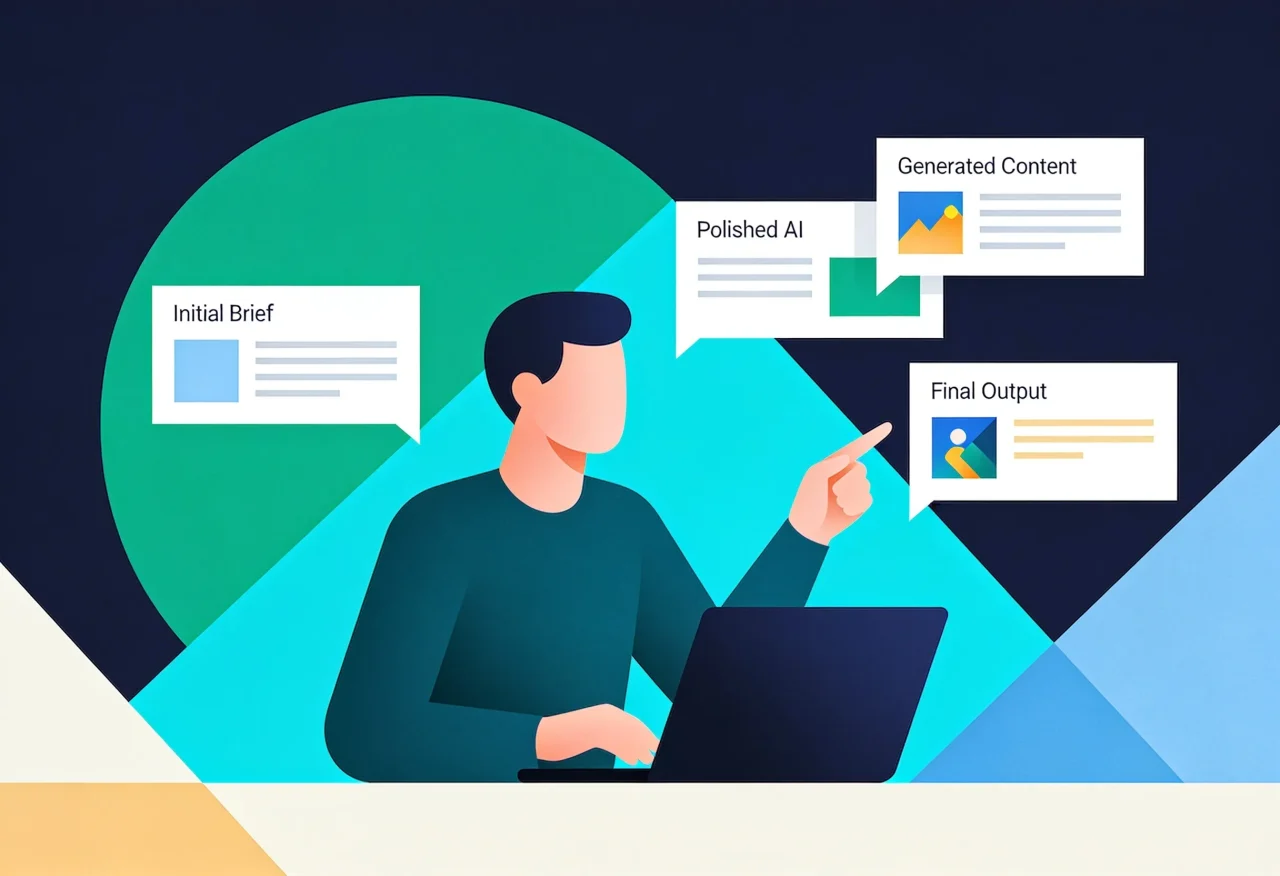
Malaysian organisations are racing to close a digital and AI capability gap faster than most organisations can hire for it: a large majority of new job openings now call for digital skills that only a fraction of the current workforce holds, and most employers say they struggle to hire for AI-related roles even though nearly all of them have made it a priority. You have probably seen how L&D sits at the centre of that race, but building AI-literate teams takes more than exposing people to tools – it takes judgment about when and how to use them well.
From our observations, many corporate L&D staff whose roles involve developing people are not specialists in the field of L&D; they are managers and HR generalists with little formal grounding.
The Centre for L&D Mastery exists to close these gaps: build the judgment to use AI well, and extend instructional capability to non-specialists who are already doing the work of developing people.

It’s also useful if you’re:
We’re deliberately not publishing a long roadmap of future Centres or topics right now. AI is moving quickly enough that some of what looked like a stable specialisation even six months ago doesn’t hold up today — capabilities once assumed to be safely human-only are already being contested. We’d rather introduce new areas when we’re confident they’ll still be true a year from now, not on a fixed publishing schedule AI keeps outrunning.